
Nature has been humanity’s greatest teacher for millions of years, offering profound life lessons that can transform how we navigate challenges, build relationships, and find purpose. Whether you’re feeling overwhelmed by life’s storms or searching for deeper meaning, the natural world provides timeless wisdom that speaks directly to our modern struggles.
This guide is for anyone seeking practical insights to live more authentically and resiliently. You’ll discover how nature teaches us about adaptation and resilience through trees that bend without breaking during fierce storms. We’ll explore how natural cycles reveal the power of patience and timing, showing us when to push forward and when to rest.
You’ll also learn how ecosystems demonstrate the beauty of mutual support, where every creature plays a vital role in creating thriving communities. From the efficient resource management of ant colonies to the perfect balance maintained in forest ecosystems, these lessons from nature will help you build a more sustainable and fulfilling life.
Embrace Adaptation and Resilience Like Trees in Storms
Bend Without Breaking When Facing Life’s Challenges
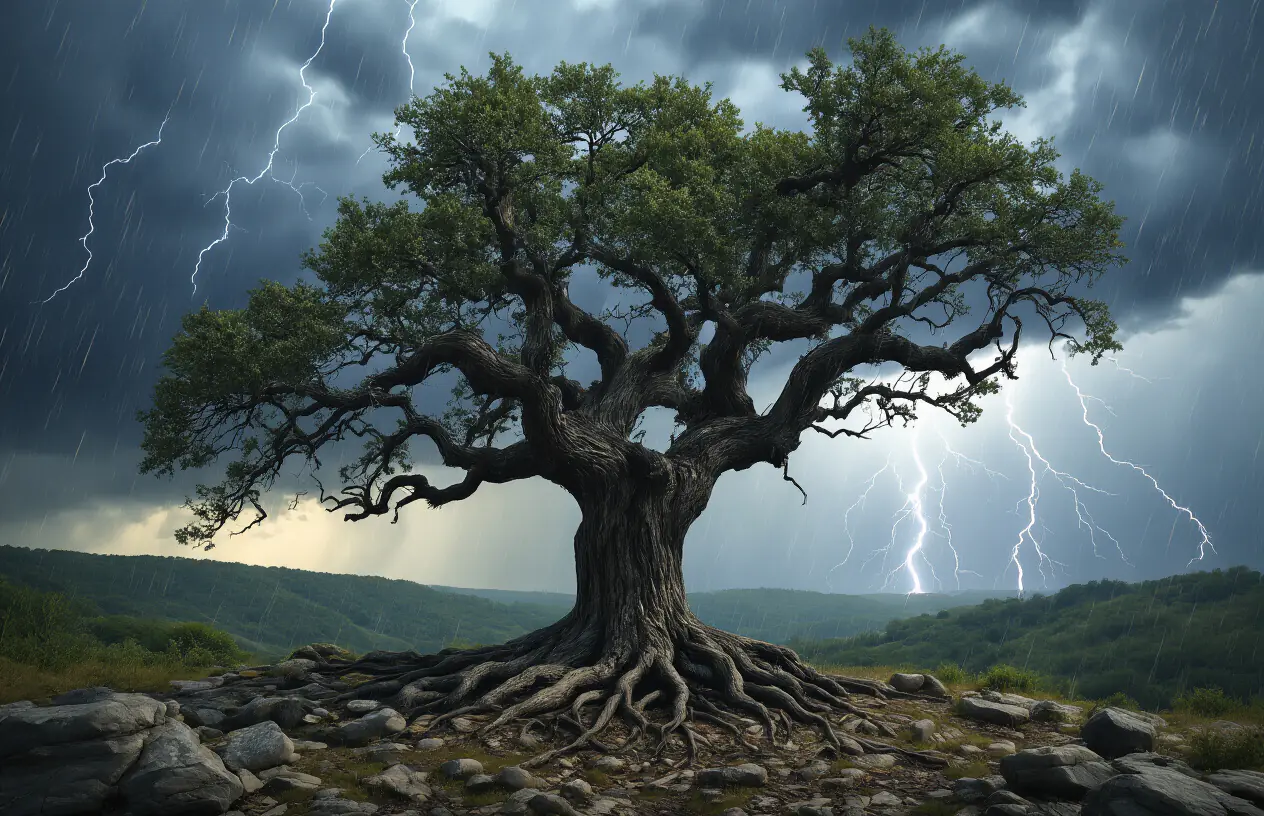
Trees have mastered something we humans often struggle with: the art of yielding without surrendering. When fierce winds tear through forests, the mightiest oaks don’t stand rigid against the storm. Instead, they sway, their branches dancing with the gusts, their trunks flexing just enough to absorb the pressure without snapping.
This natural wisdom teaches us that adaptation and resilience come not from stubbornness, but from flexibility. Bamboo exemplifies this perfectly – it can bend nearly horizontal in typhoon winds yet spring back upright once the storm passes. The secret lies in maintaining your core strength while allowing surface movements to accommodate external pressures.
When life throws unexpected challenges our way, we can apply this principle by:
- Adjusting our approach without abandoning our goals
- Staying open to new solutions when old methods no longer work
- Maintaining emotional flexibility during difficult conversations
- Adapting timelines and expectations while keeping our vision intact
The willow tree survives where rigid trees fall because it has learned that true strength sometimes looks like surrender. This doesn’t mean giving up – it means choosing your battles wisely and knowing when to yield temporarily to preserve your long-term growth.
Develop Deep Roots for Stability During Turbulent Times
While branches bend above ground, trees invest heavily in what remains unseen. A mature oak’s root system can extend three times wider than its canopy, creating an underground network that provides unwavering stability. These roots don’t just anchor the tree; they connect with other root systems, sharing nutrients and information across the forest floor.
Nature teaches us that surface-level preparations aren’t enough. Just as trees develop extensive root systems before they reach towering heights, we need to cultivate deep foundations in our lives. These invisible supports become our lifelines during challenging periods.
Your personal root system might include:
| Root Type | Life Application |
|---|---|
| Knowledge Roots | Continuous learning and skill development |
| Relationship Roots | Deep connections with family and trusted friends |
| Value Roots | Clear understanding of your core principles |
| Health Roots | Physical and mental wellness practices |
| Financial Roots | Emergency funds and diversified resources |
Trees also teach us about gradual, consistent growth. They don’t rush to develop their root systems overnight. Each season adds new growth rings, both above and below ground. The deeper the roots grow, the more storms the tree can weather.
Building these foundations takes patience, but natural wisdom shows us that investments made during calm periods pay dividends when turbulence arrives. Trees that develop shallow root systems in easy conditions often topple when real tests come.
Shed What No Longer Serves You Seasonally
Every autumn, deciduous trees perform one of nature’s most powerful lessons in letting go. They don’t cling desperately to leaves that have served their purpose. Instead, they systematically withdraw nutrients from aging foliage and release what no longer contributes to their growth.
This seasonal shedding isn’t a sign of failure or loss – it’s strategic resource management. Trees understand that trying to maintain everything year-round would drain their energy and prevent new growth. By releasing old leaves, they conserve energy for root development and prepare for fresh growth in spring.
Learning from nature means recognizing our own seasons and honoring the natural cycles of growth and release. Just as trees shed leaves, we benefit from regularly evaluating what deserves our continued energy:
- Relationships that drain rather than nourish
- Commitments that no longer align with our goals
- Habits that once served us but now hold us back
- Possessions that clutter our physical and mental space
- Beliefs that limit our potential for growth
The timing matters too. Trees don’t shed leaves randomly – they wait for the right season. Similarly, we need wisdom to know when something has run its course. Fighting to maintain what naturally wants to end often prevents us from embracing what wants to begin.
Nature shows us that letting go creates space for renewal. The nutrients from decomposing leaves enrich the soil, supporting future growth. When we release what no longer serves us, we free up energy and resources for new opportunities, relationships, and experiences that better match who we’re becoming.
This cyclical pattern of growth, harvest, release, and renewal reflects nature’s teachings about sustainable living. Trees that resist their natural cycles struggle and often become vulnerable to disease and damage. Those that embrace the rhythm thrive season after season, growing stronger and more resilient with each cycle.
Master the Art of Patience Through Natural Cycles

Trust the Process Like Seeds Germinating Underground
Nature teaches us profound lessons from nature about trusting invisible progress. When a gardener plants a seed, they don’t dig it up every day to check if it’s growing. The seed knows exactly what to do in the darkness beneath the soil, sending down roots before ever showing green shoots above ground. This natural wisdom reveals that the most crucial development often happens where we can’t see it.
Your personal growth follows the same pattern. That skill you’re developing, the relationship you’re nurturing, or the business you’re building might seem stagnant on the surface. But like those seeds, transformation is happening in the unseen spaces. The oak tree doesn’t question whether it should send out deeper roots before reaching for sunlight – it trusts the process completely.
Learning from nature means accepting that meaningful change takes time and happens in stages we can’t always observe. The caterpillar doesn’t rush its metamorphosis in the chrysalis. It surrenders completely to the process, dissolving into something unrecognizable before emerging as a butterfly.
Understand That Growth Happens in Seasons Not Overnight
Every forest understands what our instant-gratification culture has forgotten: growth happens in seasons, not overnight. Trees don’t try to produce fruit, grow leaves, and shed them all at once. Spring brings budding, summer brings fullness, autumn brings harvest, and winter brings rest. Each season serves a purpose in the greater cycle.
Natural cycles lessons show us that pushing against seasonal rhythms leads to exhaustion and poor results. A farmer who tries to plant crops in winter will fail, not because they lack skill, but because they’re working against natural timing. Your life has seasons too – times for planting new ideas, periods of rapid growth, moments for harvesting results, and essential phases of rest and reflection.
Consider how bamboo grows. For years, it develops an extensive root system underground with barely any visible progress above ground. Then, in its fourth or fifth year, it can grow up to three feet in a single day. This isn’t sudden growth – it’s the culmination of years of patient, invisible preparation.
Your career, relationships, and personal development follow similar patterns. The “overnight success” stories we hear about usually involve years of unseen preparation, just like that bamboo’s root system.
Wait for the Right Conditions Before Taking Action
Wildlife exhibits incredible patience when waiting for optimal conditions. The Arctic tern waits for specific wind patterns before beginning its 44,000-mile migration. Bears wait for salmon runs at precisely the right time and location. Migratory birds don’t leave based on calendar dates – they respond to subtle environmental cues that signal the perfect moment for departure.
This nature philosophy teaches us to pay attention to the conditions surrounding our decisions rather than forcing action based on arbitrary timelines. Sometimes the smartest thing you can do is wait. Not out of fear or procrastination, but from wisdom that recognizes when conditions aren’t aligned for success.
A surfer doesn’t paddle out in flat water, hoping waves will suddenly appear. They study weather patterns, tide charts, and ocean conditions. They wait for the right combination of factors that will give them the best possible ride.
Your business launch, that difficult conversation, or your next major life change might benefit from this same approach. Watch for the right combination of internal readiness, external circumstances, and available resources.
Celebrate Small Progress During Long Journeys
Mountain climbers don’t only celebrate at the summit – they acknowledge each base camp reached along the way. Rivers don’t rush toward the ocean; they meander, finding joy in every bend and valley they encounter. Nature inspired living means recognizing that the journey itself holds value, not just the destination.
A tree celebrates each ring of growth, marking another year of survival and expansion. Migrating animals rest and refuel at waypoints, acknowledging progress made while preparing for the path ahead. Even the moon celebrates each phase, from new moon to crescent to full, understanding that each stage has its own beauty and purpose.
Your long-term goals deserve the same recognition for incremental progress. Learning a new language? Celebrate the first conversation you hold, not just fluency. Building better health habits? Acknowledge the first week of consistency, not just the final transformation. Starting a business? Recognize your first customer, not just your first million in revenue.
Ecosystem wisdom reveals that sustainable growth comes from appreciating each small step rather than fixating solely on distant outcomes. The forest doesn’t grow by rushing individual trees to maturity – it celebrates each new seedling, each successful season, each small expansion of its boundaries.
Build Thriving Communities Through Mutual Support
Create Symbiotic Relationships Like Forest Ecosystems
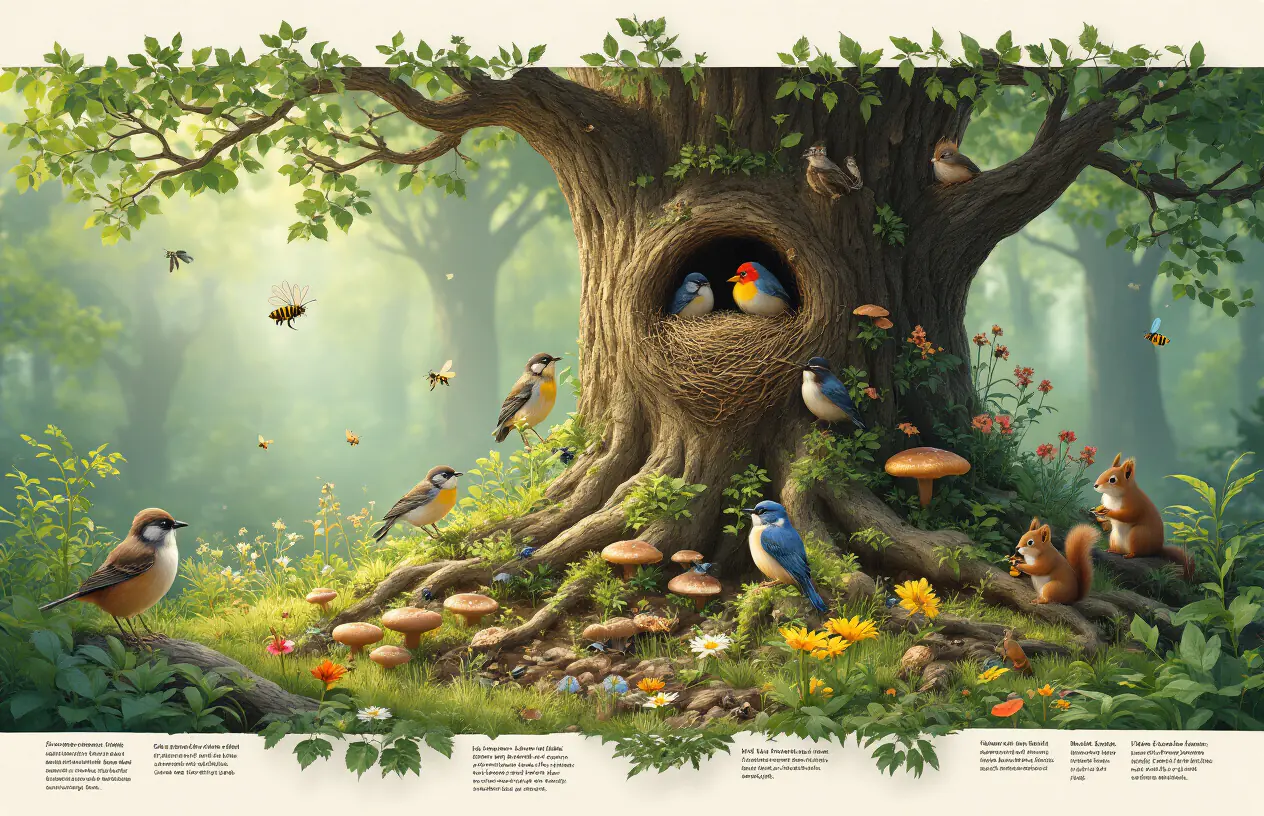
Forest ecosystems offer remarkable examples of mutual cooperation that we can apply to our human communities. In these natural networks, different species don’t just coexist—they actively help each other thrive. The mycorrhizal network, often called the “wood wide web,” connects tree roots through fungal threads, allowing trees to share nutrients, water, and even warning signals about pests or disease.
Consider how oak trees and squirrels demonstrate perfect symbiosis. Squirrels bury acorns for winter storage, often forgetting where they’ve hidden them. These forgotten acorns become new oak trees, expanding the forest that provides the squirrels’ habitat. Neither species consciously plans this arrangement, yet both benefit tremendously from their relationship.
In our human communities, we can create similar win-win partnerships. Professional networks where members genuinely support each other’s growth, neighborhood groups that share skills and resources, or business collaborations where each party brings unique strengths all mirror these natural wisdom patterns. The key lies in moving beyond transactional relationships toward genuine mutual investment.
| Natural Partnership | Human Application | Mutual Benefit |
|---|---|---|
| Bees and flowers | Mentorship programs | Knowledge sharing and skill development |
| Cleaner fish and larger fish | Professional services exchange | Specialized help and referrals |
| Birds and trees | Community gardens | Food production and social connection |
Share Resources Generously for Collective Success
Nature demonstrates that abundance often comes through sharing rather than hoarding. Fruit trees produce far more fruit than they need for reproduction, creating surplus that feeds countless animals. These animals then disperse seeds across wide areas, helping the tree species spread and flourish. This generous approach ensures long-term success for the entire ecosystem.
Redwood trees, among Earth’s tallest and longest-living organisms, survive through resource sharing. Despite their impressive size, redwoods have surprisingly shallow root systems. They compensate by intertwining their roots with neighboring trees, creating a network that shares water, nutrients, and structural support. When storms threaten, the entire grove stands together rather than individual trees falling alone.
Human communities can adopt this same principle of generous resource sharing. Successful neighborhoods often have tool libraries, skill-sharing groups, and informal networks where people lend equipment, expertise, or time without keeping strict tallies. Companies that encourage knowledge sharing between departments typically outperform those where teams hoard information.
The ecosystem wisdom here reveals that what goes around truly comes around. Communities that practice resource generosity tend to be more resilient during challenges and more innovative during good times. People feel safer taking risks and trying new things when they know support is available.
Protect and Nurture Younger Members of Your Community
Elephant herds showcase extraordinary care for their young, with the entire herd participating in raising calves. Older females share parenting duties, teaching essential survival skills while mothers rest and recover. When danger threatens, adults form protective circles around the young, prioritizing their safety above individual concerns.
Wolf packs operate similarly, with all pack members contributing to pup care. Adults take turns hunting while others babysit, and everyone shares food with growing youngsters. This investment in the next generation ensures the pack’s future strength and survival.
Learning from nature teaches us that thriving communities actively invest in their younger members’ development. This means more than basic care—it involves mentorship, skill transfer, and creating opportunities for growth. Strong communities create pathways for newcomers to contribute meaningfully while learning from experienced members.
Successful mentorship programs often mirror natural patterns:
- Multiple mentors – Like elephant herds, having several guides provides diverse perspectives
- Graduated responsibility – Young pack members start with small tasks and gradually take on bigger roles
- Safe failure environments – Cubs and calves learn through trial and error with protective support
- Knowledge preservation – Older members actively pass down accumulated wisdom
This nature inspired living approach recognizes that community strength comes from developing everyone’s potential, not just focusing on current high performers. When we nurture younger members properly, they become tomorrow’s leaders and innovators, ensuring our communities remain vibrant and adaptable over time.
Practice Efficient Resource Management
Use Only What You Need Like Animals in Winter
Animals demonstrate remarkable efficiency when resources become scarce. Bears entering hibernation don’t stockpile unnecessary calories – they accumulate exactly what their bodies require for months of dormancy. Arctic foxes shed their thick winter coats as temperatures rise, showing us that holding onto excess resources can become a burden rather than an asset.
Squirrels gather nuts throughout autumn but don’t hoard beyond their survival needs. They instinctively understand that taking more than necessary depletes resources for other creatures in their ecosystem. This natural wisdom challenges our human tendency to accumulate possessions “just in case.” Desert animals like camels and kangaroo rats have mastered the art of minimal consumption, extracting maximum benefit from limited water sources.
The lessons from nature here are profound. When we consume only what we genuinely need, we create space for others to thrive while reducing our environmental footprint. This approach extends beyond material possessions to include energy consumption, time allocation, and even emotional resources.
Recycle and Repurpose Everything Available
Nature operates on a zero-waste principle where nothing truly disappears – everything transforms into something useful. Dead leaves become rich soil nutrients, fallen trees provide homes for insects and small animals, and animal waste fertilizes plants. This endless cycle of transformation shows us that waste is simply a human concept that doesn’t exist in natural systems.
Hermit crabs demonstrate creative repurposing by moving into shells abandoned by other creatures. Birds weave together twigs, mud, and discarded materials to build sturdy nests. Even predator-prey relationships contribute to this cycle – what appears to be destruction actually maintains ecological balance and provides nutrients for new growth.
Mycorrhizal fungi create underground networks that share resources between different plant species, essentially operating as nature’s internet for resource distribution. Trees communicate through these networks, sharing excess nutrients with neighboring plants that need them most. This biological recycling system ensures nothing valuable goes unused.
Store Energy and Resources for Future Needs
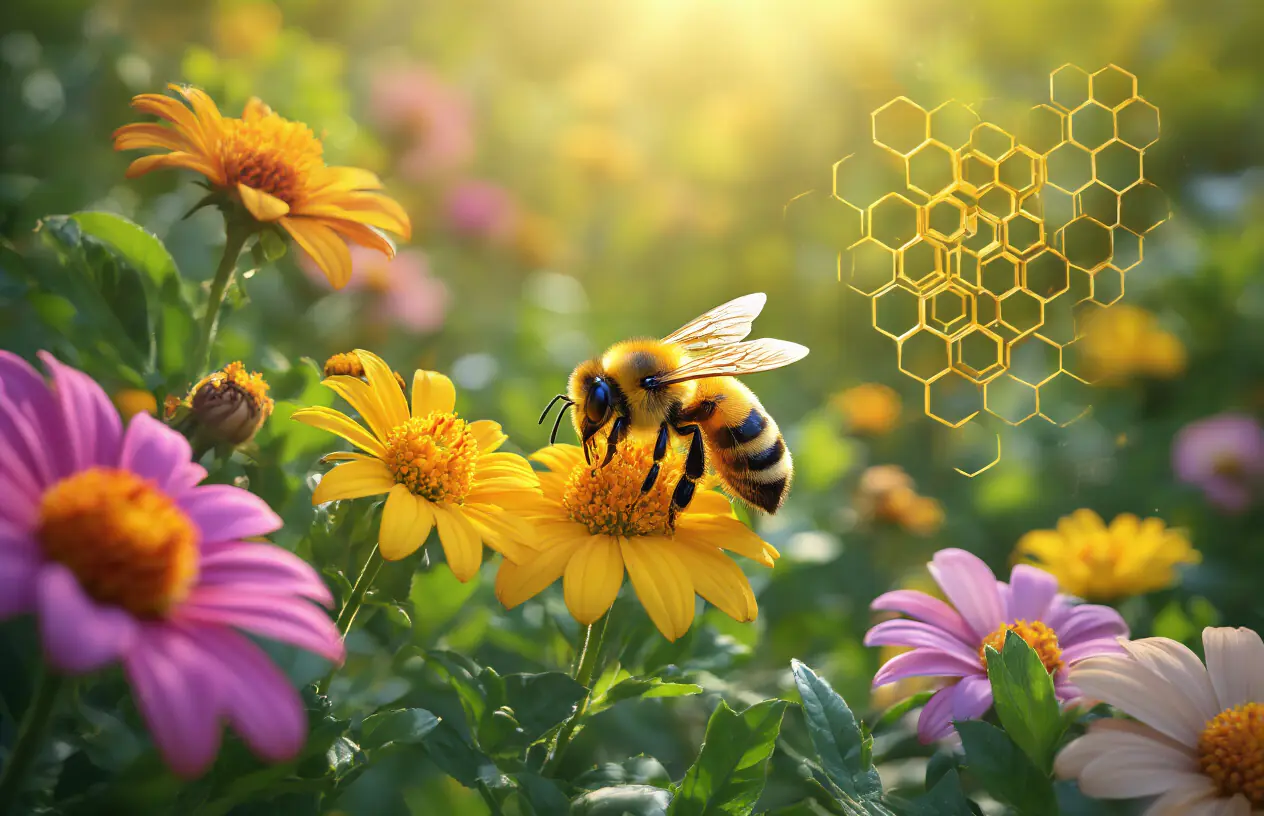
Natural systems excel at strategic conservation without waste. Honeybees create hexagonal wax combs that maximize storage capacity while using minimal materials. Their hives maintain perfect temperature control through collective effort, conserving energy while protecting their reserves. This demonstrates how effective planning and community cooperation optimize resource management.
Many plants store energy in underground root systems, bulbs, or seeds, preparing for harsh seasons when photosynthesis becomes impossible. These storage strategies ensure survival without depleting current resources unnecessarily. Cacti store water in specialized tissues, releasing it slowly to sustain themselves through extended droughts.
Animal migration patterns reveal sophisticated energy management. Birds time their journeys to coincide with favorable wind patterns and food availability along their routes. They build fat reserves strategically, carrying just enough fuel for each leg of their journey without excess weight that would impede flight efficiency.
Eliminate Waste Through Natural Systems
Ecosystems function as interconnected webs where one organism’s waste becomes another’s essential resource. Decomposer organisms break down organic matter, returning vital nutrients to soil systems. Dung beetles transform animal waste into fertile soil amendments while aerating the earth through their tunneling activities.
Wetlands act as natural filtration systems, processing pollutants and excess nutrients from water sources. Plants in these environments absorb harmful compounds, converting them into harmless byproducts or incorporating them into their growth processes. This biological treatment system operates continuously without external energy inputs.
Ocean currents distribute nutrients globally, carrying decomposed organic matter from coastal areas to nutrient-poor deep waters. Marine ecosystems demonstrate how large-scale waste processing maintains planetary health through natural circulation patterns that have operated for millions of years.
Human applications of these natural wisdom principles can transform how we approach resource management in our daily lives, businesses, and communities.
Find Strength in Diversity and Uniqueness
Celebrate Individual Differences Like Ecosystem Biodiversity
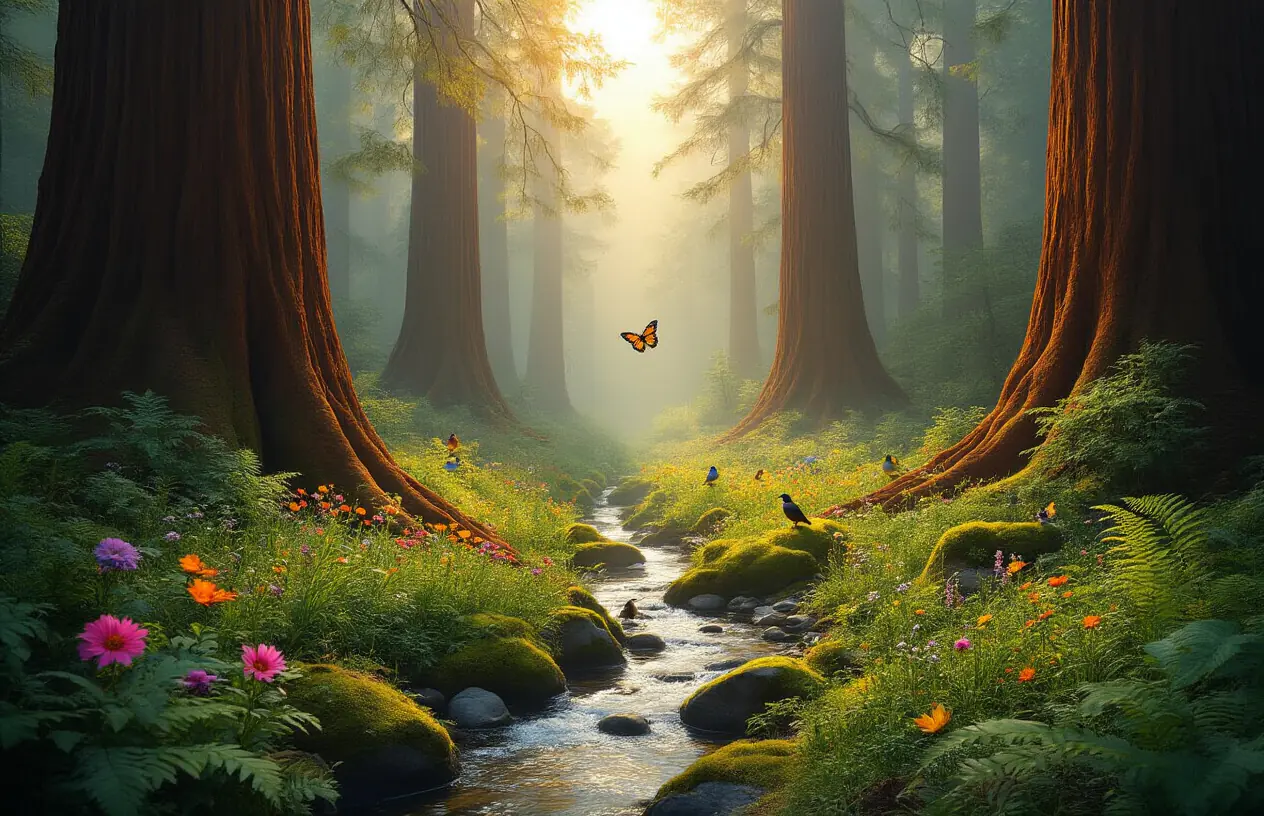
Walk through any thriving forest and you’ll see nature’s most powerful lesson about diversity in action. Towering oaks share space with delicate ferns, while busy squirrels navigate between singing birds and scurrying insects. Each species brings something completely different to the table, and that diversity makes the entire ecosystem stronger and more resilient.
The same principle applies to human communities. Just like biodiversity creates robust ecosystems that can weather storms and adapt to change, human diversity strengthens our organizations, families, and societies. When we embrace our differences instead of trying to create uniformity, we tap into a wellspring of creativity and problem-solving power that no single perspective could provide.
Consider how a monoculture farm struggles with pests and diseases that would barely impact a diverse natural environment. Similarly, teams where everyone thinks alike often miss crucial blind spots and fail to innovate. Nature teaches us that variation isn’t just beautiful – it’s essential for survival and growth.
Contribute Your Unique Talents to the Whole
Every organism in nature has evolved specialized skills that serve the larger community. Bees excel at pollination, mycorrhizal fungi create underground networks that help trees communicate, and decomposers break down organic matter to enrich soil. None tries to do everything; each focuses on what they do best.
Your unique combination of experiences, skills, and perspectives isn’t an accident – it’s your ecological niche in the human ecosystem. Maybe you’re naturally good at bringing people together, solving complex problems, creating beautiful things, or helping others feel heard. These aren’t random talents; they’re your contribution to the collective strength of your community.
The key insight from natural wisdom is that trying to be everything to everyone weakens both you and the group. A tree doesn’t apologize for not being a flower, and a river doesn’t feel inadequate compared to a mountain. They each play their role perfectly, contributing their unique gifts while relying on others to fill different functions.
When you stop trying to duplicate what others do well and instead focus on developing your natural strengths, you become irreplaceable. Just as removing any species from an ecosystem creates ripple effects, removing your unique contribution leaves a gap that nobody else can fill in quite the same way.
Learn from Others With Different Perspectives
Nature’s most successful species are also its best learners. Watch how ravens learn new techniques from each other, how young elephants absorb wisdom from their elders, or how plants adapt their growth patterns based on their neighbors’ behavior. This cross-pollination of ideas and approaches creates innovation and adaptation that keeps species thriving.
The diversity of perspectives around you represents an incredible learning opportunity. Someone who grew up in a different culture, works in another industry, or approaches problems from a completely different angle can show you solutions you’d never consider on your own. These aren’t threats to your way of thinking – they’re gifts that can expand your understanding and effectiveness.
Just as forest ecosystems benefit from the interplay between different species, your personal growth accelerates when you actively seek out people who see the world differently than you do. Their questions might challenge assumptions you didn’t even know you had. Their approaches might reveal shortcuts or alternatives that save you years of trial and error.
The magic happens when diverse perspectives come together around shared goals. Like the intricate relationships in a coral reef, where hundreds of different species create something more beautiful and resilient than any could achieve alone, human collaboration across differences produces results that amaze even the participants.
This natural approach to learning requires dropping the defensive mindset that sees different as wrong. Instead, different becomes interesting, valuable, and worth exploring. When you approach others with the curiosity of a scientist studying a fascinating new ecosystem, you discover that nature’s greatest lesson about diversity is also its most practical gift to human relationships and communities.
Maintain Perfect Balance in All Life Areas

Work and Rest in Natural Rhythms
Nature operates on cycles that we’ve forgotten in our always-on world. Trees don’t grow continuously – they have periods of intense growth followed by dormancy. Bears hibernate when food becomes scarce, and even the most industrious bees rest during winter months. These natural rhythms teach us that sustainable productivity requires intentional rest.
Our modern culture glorifies the hustle, but nature teaches us that true strength comes from honoring both action and recovery. Plants that bloom year-round without rest quickly exhaust their resources and die. Similarly, when we push ourselves without proper rest, we burn out and lose our effectiveness.
Consider adopting nature’s approach: work intensely during your peak energy hours, then allow for genuine recovery. This might mean taking actual lunch breaks, setting boundaries with evening work, or scheduling regular sabbaticals. The forest doesn’t apologize for winter – it uses this time to rebuild strength for spring’s explosion of growth.
Give and Receive in Equal Measure
The most successful ecosystems demonstrate perfect reciprocity. Bees receive nectar from flowers while providing pollination services. Trees offer shelter and oxygen to animals who, in return, spread seeds and provide nutrients through waste. This natural wisdom shows us that healthy relationships require balanced exchange.
Many people struggle with either giving too much or taking without reciprocating. Nature life lessons reveal that both extremes lead to system collapse. Parasitic relationships eventually kill the host, while one-sided giving depletes resources without renewal.
In your personal and professional relationships, notice the flow of energy, time, and support. Are you always the one listening but never sharing your struggles? Or do you constantly take advice without offering help in return? Nature’s blueprint suggests that sustainable connections thrive when both parties benefit from the exchange.
| Natural Example | Balanced Exchange | Human Application |
|---|---|---|
| Mycorrhizal fungi | Nutrients for sugars with plant roots | Professional mentorship relationships |
| Cleaner fish | Parasite removal for food | Service-based business partnerships |
| Ant-aphid relationships | Protection for honeydew | Community support networks |
Balance Independence With Interconnectedness
Trees appear to stand alone, yet beneath the ground, their roots interweave in complex networks that share nutrients and information. This ecosystem wisdom demonstrates how to maintain individual identity while benefiting from community support.
The forest teaches us that independence doesn’t mean isolation. Strong trees can weather storms on their own, but they survive droughts by sharing resources through underground networks. Similarly, healthy humans develop personal resilience while maintaining meaningful connections.
Practice this balance by building your individual skills and emotional stability while nurturing your support network. Develop hobbies, pursue personal growth, and maintain your own interests. Simultaneously, invest in friendships, offer help to others, and accept assistance when needed. The strongest people aren’t those who need no one – they’re those who can stand alone but choose to walk together.
Harmonize Strength With Flexibility
Bamboo bends dramatically in typhoons yet rarely breaks, while rigid oak trees often snap under extreme pressure. This natural wisdom reveals that true strength includes adaptability. The most resilient natural systems combine solid foundations with flexible responses to changing conditions.
Apply this lesson by developing core principles that guide your decisions while remaining open to new approaches. Your values might be unchanging, but your methods can evolve based on circumstances. A bamboo mindset means staying rooted in what matters most while bending with life’s inevitable storms.
Physical fitness mirrors this principle – the strongest athletes aren’t just powerful but also agile and adaptable. Mental strength works similarly. Build your psychological foundation through practices like meditation or journaling, then practice flexibility by welcoming new perspectives and adjusting your strategies based on feedback.
Learning from nature shows us that balance isn’t a static state but a dynamic dance. Like a surfer riding waves, maintaining balance requires constant micro-adjustments and an awareness of changing conditions. The goal isn’t perfect stability but graceful responsiveness to life’s natural rhythms and challenges.
Persist Through Obstacles With Determined Growth
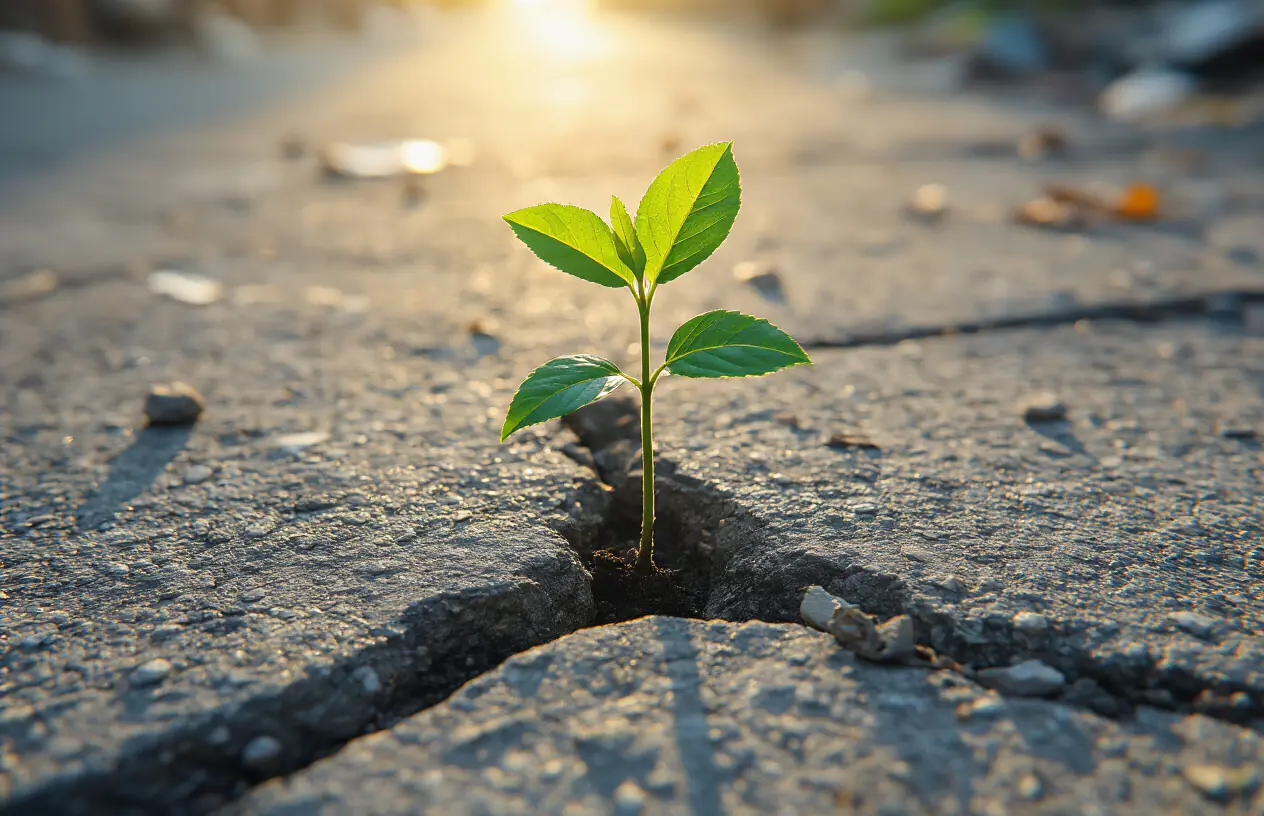
Break Through Barriers Like Water Carving Canyons
Water doesn’t fight obstacles—it transforms them. Drop by drop, the Colorado River carved one of the world’s most spectacular canyons, not through force, but through relentless persistence. This natural wisdom shows us that the most formidable barriers often yield to patient, consistent effort rather than aggressive confrontation.
When facing seemingly impossible challenges, water teaches us to embrace our fluid nature. Instead of becoming rigid against resistance, we can adapt our approach while maintaining unwavering commitment to our destination. The Grand Canyon wasn’t created overnight; it took millions of years of gentle persistence. Similarly, our biggest breakthroughs often come from small, daily actions that compound over time.
Consider how water finds weakness in even the hardest stone. It seeps into tiny cracks, freezes and expands, gradually widening the gap until solid rock splits apart. We can apply this principle by identifying small vulnerabilities in our challenges and working consistently to expand them. Whether facing career obstacles, relationship difficulties, or personal limitations, persistent gentle pressure often succeeds where forceful attacks fail.
Water also demonstrates that obstacles can become allies. As it flows around rocks, it gains momentum and changes course, sometimes discovering better paths than originally intended. The resistance that seems to block progress actually shapes and strengthens the flow, creating beautiful waterfalls and powerful rapids along the way.
Find Alternative Paths When Direct Routes Are Blocked
Nature rarely insists on straight lines. Trees grow around buildings, rivers meander through landscapes, and root systems develop intricate networks to find nutrients and water. This natural flexibility offers profound lessons about navigating life’s inevitable roadblocks.
Watch how a vine encounters a wall. Rather than stopping or turning back, it explores sideways, finding windows, cracks, or edges to continue its upward journey. The vine’s destination remains unchanged, but its willingness to explore alternative routes ensures it reaches new heights. This adaptability transforms potential dead ends into stepping stones.
Mountain streams provide another powerful example. When boulders block their path, they don’t pound uselessly against the obstruction. Instead, they flow around, under, or over the barrier, often creating beautiful pools and cascades in the process. The water reaches its destination while the inflexible boulder remains static.
Animals demonstrate this wisdom daily. Migratory birds adjust their flight paths based on weather patterns, food availability, and seasonal changes. They don’t view detours as failures but as necessary adaptations that ensure survival and success. Similarly, when our planned routes become impossible, we can view alternative paths not as setbacks but as opportunities to discover new possibilities we never would have encountered otherwise.
The key lies in maintaining clarity about our ultimate destination while remaining flexible about the journey. When direct routes are blocked, nature teaches us to pause, observe, and explore. Often, these alternative paths lead to richer experiences and unexpected opportunities that surpass our original plans.
Use Setbacks as Opportunities for Creative Solutions
Forest fires, which initially appear destructive, actually trigger remarkable regeneration. Many plant species have evolved to depend on fire for reproduction—their seeds only germinate after exposure to intense heat. What seems like devastation becomes the catalyst for new growth, often creating healthier, more diverse ecosystems than before.
This natural process reveals how setbacks can spark innovation and creativity. When familiar systems break down, we’re forced to think differently, experiment with new approaches, and discover capabilities we didn’t know we possessed. The discomfort of disruption often pushes us toward breakthrough solutions that wouldn’t have emerged during smooth sailing.
Coral reefs demonstrate this principle beautifully. When environmental stress causes bleaching events, surviving coral polyps often develop increased resistance to future stressors. The temporary setback becomes the foundation for greater resilience. Similarly, our most challenging experiences often teach us skills and perspectives that become invaluable assets in future situations.
Nature also shows us that creative solutions often emerge from scarcity rather than abundance. Desert plants develop ingenious water conservation methods, arctic animals evolve remarkable insulation systems, and deep-sea creatures create their own light sources. When resources are limited or conditions are harsh, creativity flourishes out of necessity.
The monarch butterfly’s migration showcases how apparent limitations can inspire extraordinary achievements. Despite their delicate appearance, these insects navigate thousands of miles using a combination of sun positioning, magnetic fields, and inherited genetic memory. Their physical limitations led to the evolution of one of nature’s most remarkable navigation systems, proving that constraints often spark the most innovative solutions.
Practice Mindful Presence and Awareness

Stay Alert to Environmental Changes and Opportunities
Animals in the wild demonstrate remarkable awareness of their surroundings, constantly scanning for changes that could signal danger or opportunity. A deer’s ears twitch at the slightest sound, while birds adjust their migration patterns based on subtle shifts in weather patterns. This heightened awareness isn’t paranoia—it’s survival intelligence that we can apply to our daily lives.
When we cultivate this same alertness, we become more attuned to the subtle signals in our environment. Maybe it’s noticing the energy shift in a room during a meeting, picking up on market trends before they become obvious, or recognizing when a relationship dynamic is changing. Nature teaches us that those who stay aware gain significant advantages over those who move through life on autopilot.
The key lies in developing what naturalists call “wide-angle vision”—maintaining awareness of the bigger picture while staying focused on immediate tasks. Eagles soar high to survey vast territories, yet they can instantly zoom in on specific details when needed. We can practice this same skill by regularly stepping back to assess our circumstances while remaining present to what’s happening right now.
Respond Appropriately to Immediate Circumstances
Natural wisdom shows us that the most effective responses aren’t always the most dramatic ones. Watch how a tree bends with strong winds rather than fighting them, or how water flows around obstacles instead of trying to bulldoze through them. These examples from nature reveal that appropriate responses often require flexibility and creativity rather than brute force.
Animals excel at calibrated responses—using just enough energy and resources to handle each situation. A cat doesn’t use the same intensity to catch a mouse that it would use to defend against a predator. Similarly, we can learn to match our emotional and physical energy to what each moment actually requires, rather than operating at maximum intensity all the time.
This natural approach to responding means developing a diverse toolkit of reactions. Sometimes the situation calls for swift action, like a gazelle escaping danger. Other times, it requires patience and stillness, like a heron waiting for the perfect moment to strike. By observing how different species handle various challenges, we can expand our own range of appropriate responses.
Live Fully in Each Moment Without Future Anxiety
Perhaps no other creatures embody present-moment awareness better than animals in their natural habitats. A squirrel gathering nuts isn’t worried about next month’s weather forecast—it simply responds to current conditions and seasonal cues. Birds sing their morning songs without concern for tomorrow’s predators. This natural wisdom teaches us that anxiety about future events often prevents us from fully engaging with current opportunities.
Nature operates on cycles and rhythms that provide security without requiring constant worry about what’s coming next. Trees don’t frantically prepare for spring during winter—they rest, conserve energy, and trust the natural process. When spring arrives, they’re ready to burst forth with new growth because they fully experienced winter’s dormancy.
We can apply this lesson by learning to distinguish between productive planning and anxious rumination. Planning involves taking concrete actions based on current information, while anxiety creates mental scenarios about uncertain futures. Nature shows us that preparation happens naturally when we stay connected to present conditions and respond appropriately to what we actually observe.
Trust Your Instincts and Natural Wisdom
Every creature possesses built-in guidance systems that have been refined over millions of years of evolution. Salmon navigate thousands of miles back to their birthplace, monarch butterflies complete multi-generational migrations, and many animals can sense earthquakes before they happen. These abilities aren’t learned—they’re encoded in their very being.
Humans also possess these inner guidance systems, though we often ignore them in favor of overthinking or seeking external validation. Our gut feelings, sudden insights, and intuitive hunches are modern expressions of ancient survival wisdom. When something feels “off” about a situation or person, that’s often valuable information worth paying attention to.
The challenge lies in learning to distinguish between fear-based reactions and genuine intuitive guidance. Fear typically creates contraction and urgency, while true instinct often brings a sense of clarity and appropriate action. By spending more time in natural settings and observing how animals trust their innate wisdom, we can reconnect with our own internal compass and learn to rely on the natural intelligence we all possess.
Embrace Continuous Renewal and Transformation

Release Old Patterns Like Snakes Shedding Skin
Nature offers one of the most powerful examples of renewal in the way snakes shed their skin. This process, called ecdysis, happens multiple times throughout a snake’s life as it outgrows its current form. The snake doesn’t cling to its old skin out of comfort or familiarity—it naturally releases what no longer serves its growth.
We can apply this natural wisdom to our own lives by recognizing when our old patterns, beliefs, or behaviors have become too restrictive. Just as a snake’s skin becomes tight and uncomfortable before shedding, we often experience discomfort when we’ve outgrown our current way of being. This discomfort signals that transformation is necessary.
The shedding process requires the snake to rub against rough surfaces, sometimes appearing vulnerable during the transition. Similarly, releasing our outdated patterns often involves friction and temporary vulnerability. We might feel exposed as we let go of familiar coping mechanisms, relationships that no longer align with our growth, or career paths that have run their course.
Learning from nature teaches us that this vulnerability is temporary and necessary. The snake emerges with fresh, flexible skin that accommodates its new size and stage of life. When we courageously shed our limiting patterns, we create space for expanded possibilities and authentic self-expression.
Welcome Change as Essential for Growth
Natural cycles demonstrate that change isn’t just inevitable—it’s the fundamental mechanism of growth and evolution. Seasons shift, tides ebb and flow, and ecosystems continuously adapt to new conditions. Nature never remains static because stagnation leads to decay.
Trees perfectly illustrate this principle. Each autumn, deciduous trees release their leaves, appearing to lose something beautiful. Yet this apparent loss is actually preparation for new growth. The tree redirects its energy inward during winter, strengthening its root system and preparing for spring’s renewal. Without this cyclical change, the tree would exhaust itself trying to maintain leaves through harsh winter conditions.
Our resistance to change often stems from misunderstanding its purpose. We view change as loss rather than preparation for something better. When we align with natural wisdom, we begin to see disruptions as opportunities for growth rather than threats to our security.
Nature’s teachings reveal that growth requires both expansion and contraction, both building up and breaking down. The caterpillar must dissolve almost completely in the chrysalis before emerging as a butterfly. This dissolution isn’t destruction—it’s transformation at the deepest level.
Regenerate Stronger After Difficult Experiences
Perhaps no natural phenomenon demonstrates resilience better than a forest’s ability to regenerate after wildfire. What initially appears devastating actually clears away dead undergrowth, returns nutrients to the soil, and creates space for new growth. Many plant species have evolved specifically to thrive in post-fire conditions, with some seeds requiring fire’s heat to germinate.
This regenerative capacity exists throughout the natural world. Starfish regrow lost limbs, often stronger than before. Damaged coral reefs can rebuild themselves given proper conditions. Even ancient redwood trees, scarred by fires, continue growing around their wounds, incorporating the damage into their structure while reaching ever skyward.
These examples from nature teach us that difficult experiences don’t have to define or diminish us. Like the forest after fire, we can use challenging times as opportunities to clear away what no longer serves us and create conditions for new growth. The key lies in understanding that regeneration is an active process requiring patience and proper nurturing.
Our capacity for renewal mirrors nature’s resilience. When we experience setbacks, losses, or trauma, we possess the same regenerative potential as the natural world around us. The experience may leave marks, but like the scarred redwood, we can incorporate these experiences into our growth story rather than allowing them to stop our progress.
Nature shows us that true strength often comes not from avoiding damage, but from developing the ability to heal, adapt, and emerge more resilient than before.
Contribute to Something Greater Than Yourself
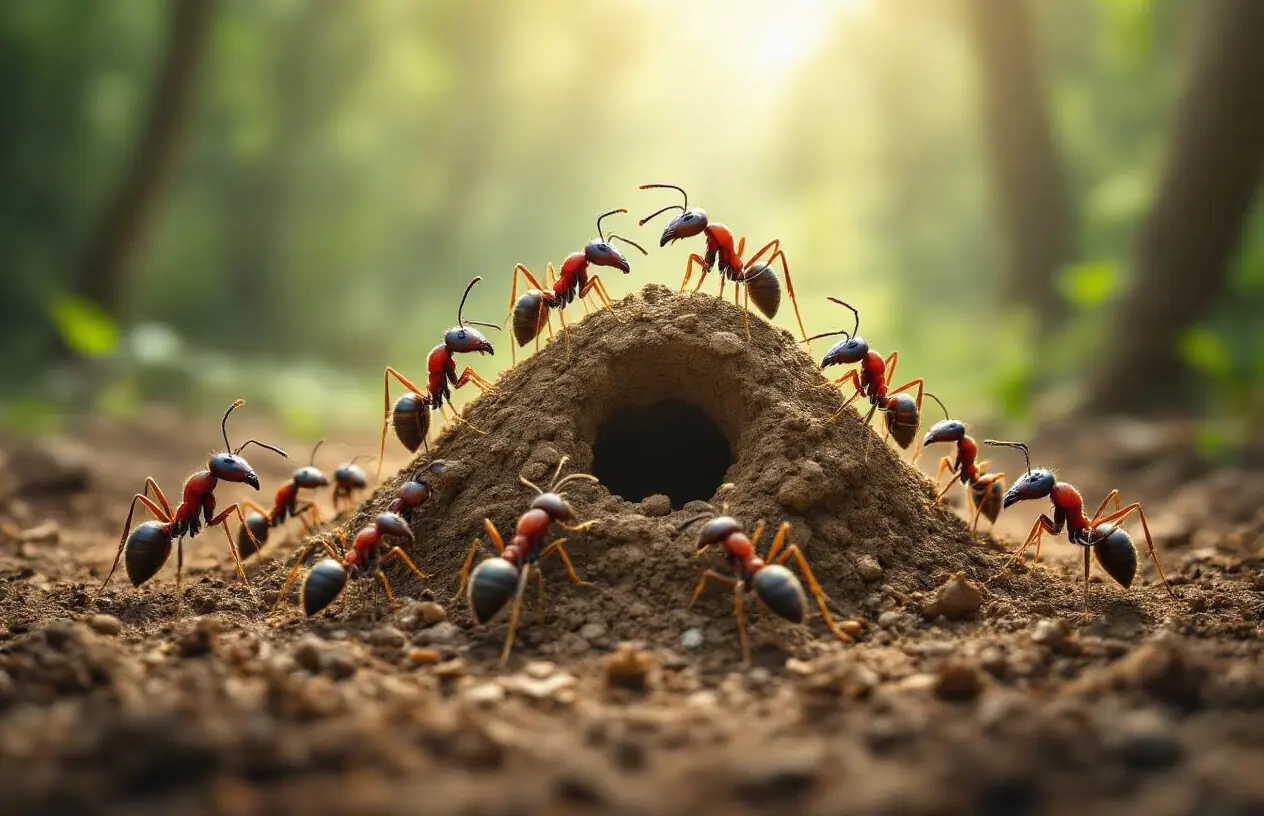
Leave Positive Impacts for Future Generations
Ancient trees don’t grow their mighty branches just for themselves. They create shade for creatures yet to be born, drop seeds that will sprout decades later, and build soil that will nourish generations of plants. This forward-thinking approach reveals one of nature’s most profound lessons from nature – the importance of living with future generations in mind.
Every action in the natural world ripples forward through time. When bees pollinate flowers, they’re not just collecting nectar for today’s needs. They’re ensuring that plants reproduce, creating food sources for countless future species. Similarly, we can ask ourselves: What seeds am I planting today that will benefit people I’ll never meet?
Consider the monarch butterfly, which migrates thousands of miles across multiple generations. No single butterfly completes the entire journey, yet each one plays their part in a story much larger than their individual lifespan. This teaches us that our contributions don’t need to be completed within our lifetime to be meaningful. Starting a community garden, mentoring young people, or preserving natural spaces creates lasting value that extends far beyond our years.
Serve Others Without Expecting Recognition
Watch how mycorrhizal fungi work beneath the forest floor. These remarkable organisms connect tree roots through vast underground networks, sharing nutrients between different species without fanfare or recognition. They never receive applause for their life-sustaining work, yet entire forest ecosystems depend on their quiet service.
This invisible network demonstrates how natural wisdom operates through selfless contribution. The fungi don’t keep score of how much they give versus receive – they simply respond to the needs around them. Trees struggling in poor soil receive nutrients from healthier neighbors through these fungal bridges, creating resilient forest communities.
We can model this same spirit in our daily lives. Help a colleague succeed without broadcasting it. Share knowledge freely. Support community initiatives behind the scenes. The most powerful contributions often happen away from spotlights, just like the underground work that keeps forests thriving.
Maintain the Health of Your Entire Environment
Every species in a healthy ecosystem plays a role in maintaining the whole system’s wellbeing. Wolves keep deer populations balanced, which prevents overgrazing that would damage plant communities. Bees pollinate flowers, ensuring genetic diversity in plant populations. Even decomposers like mushrooms and bacteria break down dead material, returning nutrients to the soil.
This interconnected approach to environmental health shows us that our own wellbeing is inseparable from the health of our communities, workplaces, and relationships. Just as rivers stay clean through the collective work of wetland plants, bacteria, and aquatic animals, our environments thrive when everyone contributes to the overall health.
Think about your workplace, neighborhood, or family system. Are you contributing to its health or just taking from it? Small actions matter – picking up litter, mediating conflicts, sharing resources, or simply bringing positive energy to spaces you occupy. Like keystone species that have disproportionate impacts on their ecosystems, individual humans can create positive changes that benefit everyone.
Create Beauty That Enriches the World Around You
Nature never creates purely functional solutions – it weaves beauty into everything. Flowers could simply release chemical signals to attract pollinators, but instead they paint landscapes with stunning colors and intricate patterns. Birds could communicate with basic chirps, but they compose elaborate songs that uplift anyone who listens.
This commitment to beauty alongside function reveals that aesthetics aren’t luxury – they’re essential for thriving communities. When we create beautiful spaces, art, music, or even bring beauty to routine tasks, we’re following nature’s blueprint for enriching life beyond mere survival needs.
Your unique form of beauty might be organizing spaces in harmonious ways, crafting thoughtful emails, tending a garden, or bringing humor to difficult situations. Like flowers that bloom whether or not anyone notices, creating beauty becomes a natural expression of contributing to something greater than ourselves.
Nature has been our greatest teacher all along, showing us how to navigate life’s challenges with grace and wisdom. From the mighty oak that bends but doesn’t break in fierce storms to the patient seed that waits for the perfect moment to sprout, these natural examples offer us a roadmap for living more fulfilling lives. The lessons are everywhere – in the way forests work together to share resources, how ecosystems find perfect balance, and how every season brings its own purpose and beauty.
The next time you feel overwhelmed or uncertain, step outside and really look around you. Watch how plants grow around obstacles, notice how different species support each other, and see how everything in nature has its place and purpose. Start small by applying just one of these lessons to your daily routine – maybe practice the patience of natural cycles when you’re rushing through your day, or embrace your uniqueness like every snowflake that falls. Nature never stops teaching us, and the classroom is right outside your door.